Understanding neurodiversity
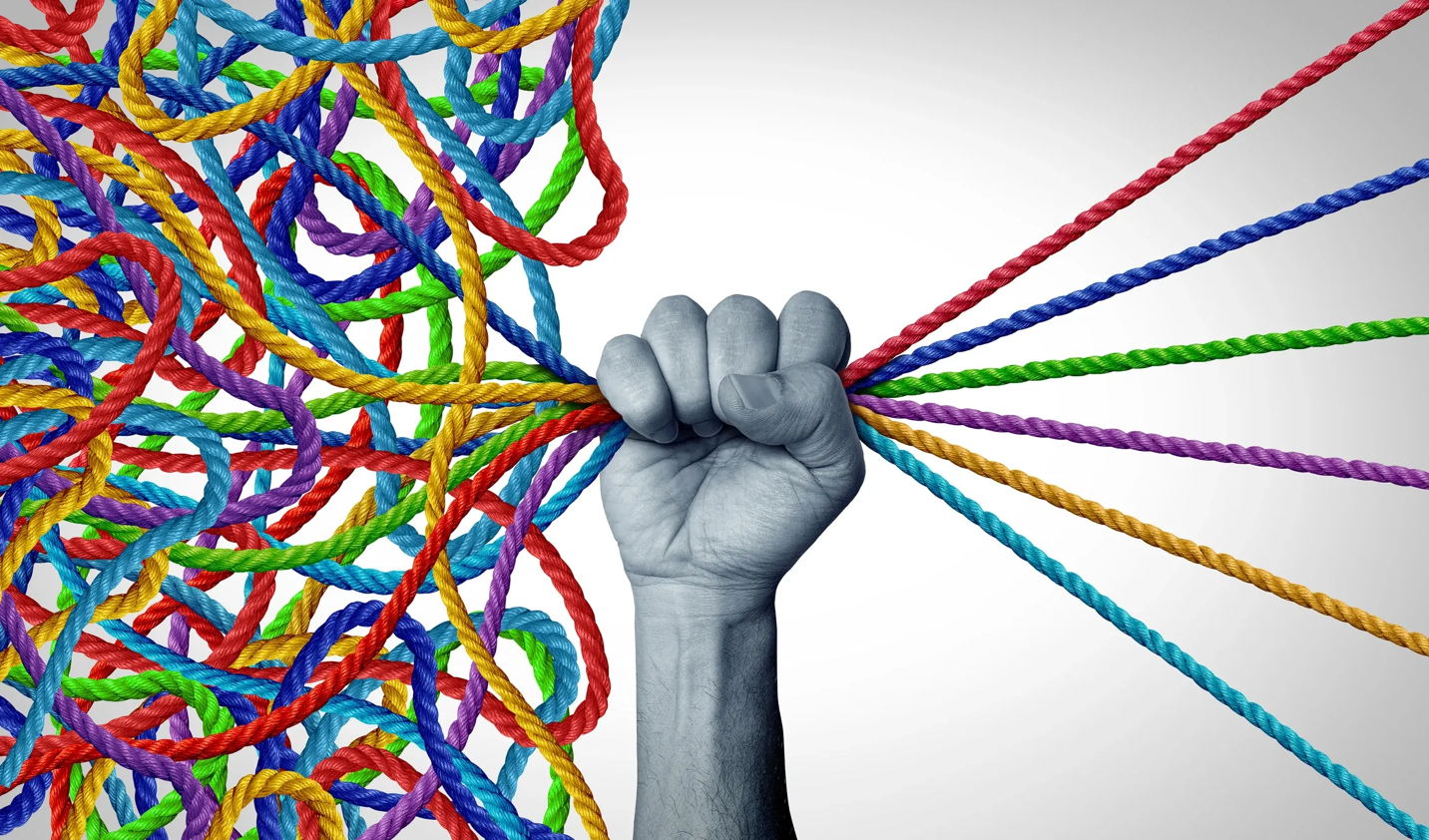
Neurodiversity Is…
The diagnostic categories we serve each represent a distinct way of experiencing the world. Below you’ll find an overview of each area — what it is, what it isn’t, and why specialized care matters.
Attention Deficit Hyperactivity Disorder
ADHDADHD is, of course, thought of as disorganized thinking such that it has become synonymous with it. However, underlying that obvious effect is actually a far more intricate difference in how information is processed. Individuals with ADHD present with more variation than simply "distracted and disorganized" and carry the burden of a stigma from the neurotypical world.
Find a ADHD Specialist
Autism Spectrum Disorder
ASDDescribing specifically "What is Autism" is as difficult as our knowledge is limited. Classically efforts to categorize Autism have focused on the social impact and capacity for daily living skills - in this way it was intended to link to the amount of services the individual may need. More recent evidence indicates Autism is likely not just one disorder and the characteristics are varied.
Find a ASD Specialist
Tourette's and Tic Disorders
TSTourette's Syndrome is a neurodevelopmental difference most known for the presence of multiple, persistent tics. However, there are many other characteristics of Tourette's Syndrome that may affect a person's life more than the tics, and there are clear and measurable differences in how the Tourettic brain processes information and responds to the world around it.
Find a TS Specialist
Obsessive-Compulsive Disorder
OCDOCD is not what is typically presented in media and is specifically characterized by the compulsion to engage in behaviors to relieve distress produced by intrusive thoughts or feelings - all of which is inconsistent with what the individual wants to do. The ways this presents are rather varied, but the effect is generally the same: acute distress and dysfunction.
Find a OCD Specialist
Body-Focused Repetitive Behaviors
BFRBBody-focused Repetitive Behaviors (BFRBs) emerge at a wide range of ages and can vary. They may include the more well-known forms, such as trichotillomania (compulsive hair-pulling) and dermatillomania (compulsive skin-picking/smoothing) as well as variations on these, such as nail-biting, picking at cuticles, and plucking one's eyelashes or eyebrows. A primary challenge in BFRBs is the feeling of shame or embarrassment that arises from them, which also makes it harder to seek help. However, there are good methods for reducing the impact of BFRBs.
Find a BFRB Specialist
Functional Neurological Disorder
FNDFunctional Neurological Disorder (FND) tends to emerge suddenly and with a significant change in symptoms and the individual's ability to function. The symptoms are varied and may include psychogenic seizures, acute tics, or loss of sensory or motor function. The most important thing in addressing FND is to understand the individual is not faking it: the symptoms are real.
Find a FND Specialist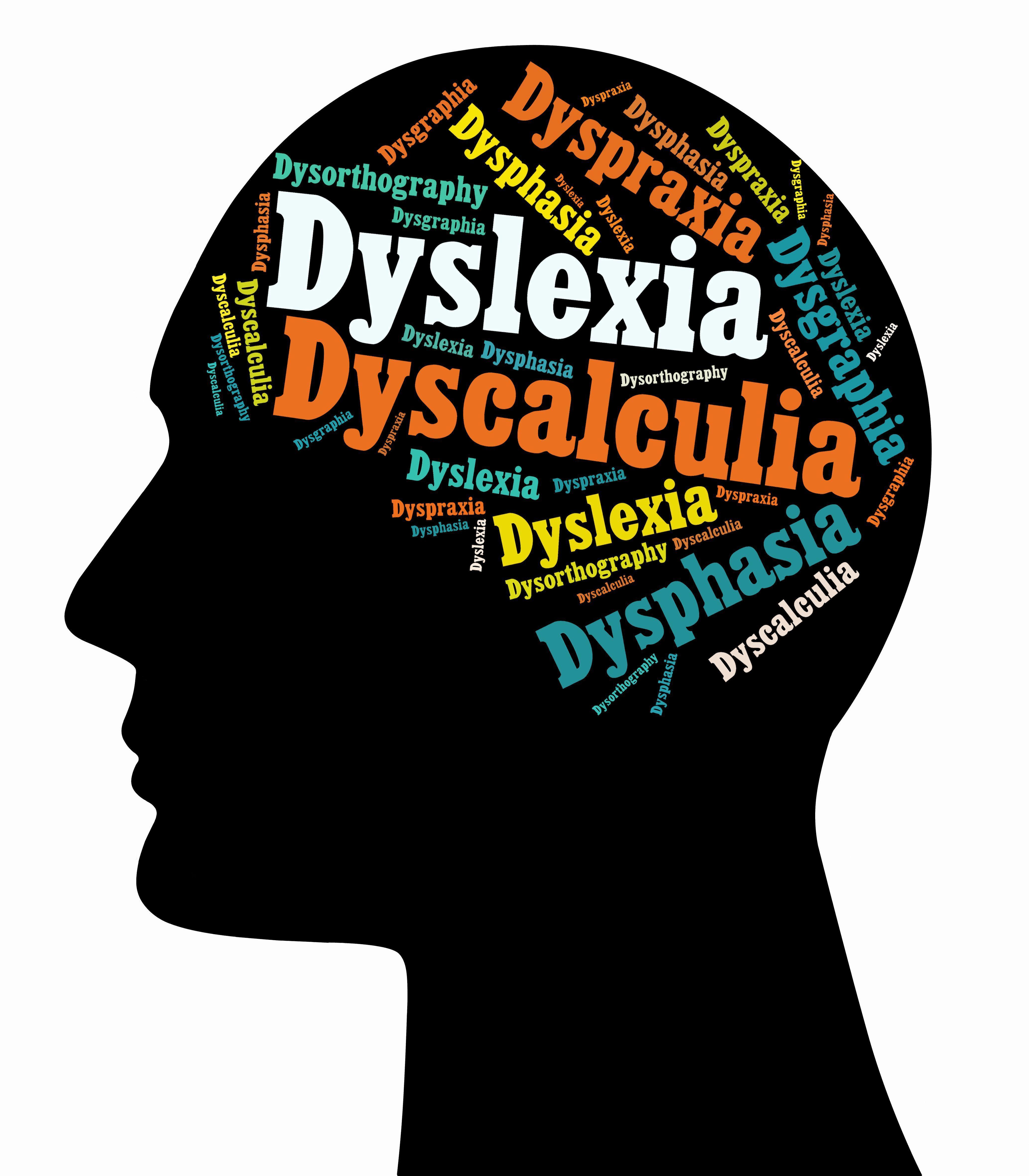
Learning Disabilities
SLDSpecific Learning Disabilities occur when neurological development does not produce the interconnectivity within the brain that is usually used in learning of academic skills. As a result, we see learning disabilities in specific areas: Reading (Dyslexia), Writing (Dysgraphia), or Math (Dyscalculia). The specific form this takes varies between people, but it is characterized by unexpected difficulties in acquiring these skills despite receiving appropriate instruction and having the cognitive abilities to otherwise acquire skills.
Find a SLD Specialist
Developmental/Intellectual Disability
DD/IDDevelopmental and Intellectual Disabilities can include a wide variety of presentations. In some cases, children may exhibit delays in some of their developmental milestones. Such delays may resolve naturally over time or they may remain persistent. Either way, these challenges can be genuinely frustrating for the individual and often benefit from support in building some of the skills they are seeking so they can engage more fully with their lives.
Find a DD/ID Specialist